
Preparing for law school is about more than completing courses and earning a strong GPA. Experiential learning gives you opportunities to explore the legal profession, develop transferable skills, build professional relationships, and better understand how your interests may connect to a future career in law.
There is no single experience that law schools expect every applicant to complete. Instead, focus on opportunities that are meaningful to you, allow you to develop new skills, and help you learn more about the communities, issues, and careers that interest you.
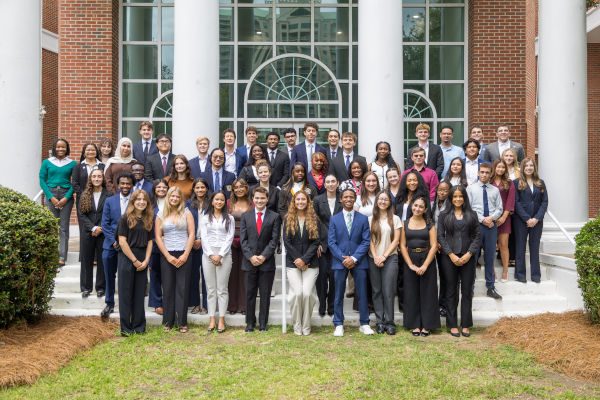
Summer Programs
Summer pre-law programs may provide opportunities to:
- Experience law school-style classes and discussions
- Learn about the law school admissions process
- Connect with law students, faculty, attorneys, and admissions professionals
- Explore different areas of law
- Develop skills in legal reasoning, writing, advocacy, and professional communication
- Build relationships with other students interested in legal careers
Donald J. Weidner Summer for Undergraduates Program | UVA Law Roadmap Scholars | Duke PreLaw Fellowship | The Lex Fellowship | PreLaw Summer Program Database
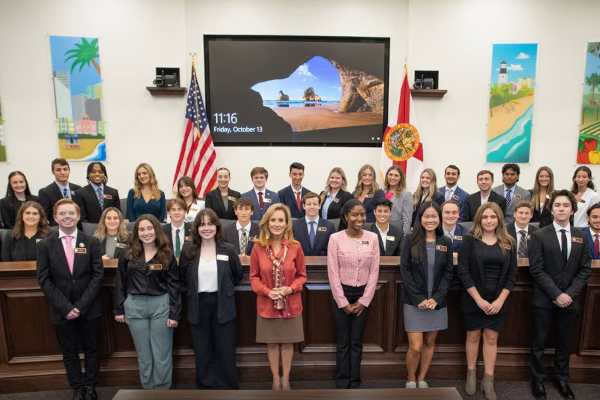
Internships and Employment
Your internship does not have to take place in a law office to be valuable preparation for law school. Experiences that strengthen communication, research, leadership, problem-solving, teamwork, and critical thinking can all contribute to your professional development.
Students may find opportunities with:
- Law firms and legal offices
- Courts and judicial offices
- Government agencies
- Legislative offices
- Nonprofit and advocacy organizations
- Corporate or business organizations
- Public interest organizations
- Campus departments and research centers
FSU Legislative Internship Program | NoleNetwork | FL Gubernatorial Fellows | 2nd Circuit Public Defender’s Office | Supreme Court Internship | Florida Attorney General’s Internship Program | Florida Office of Criminal Conflict and Civil Regional Counsel | James Madison Institute Internships
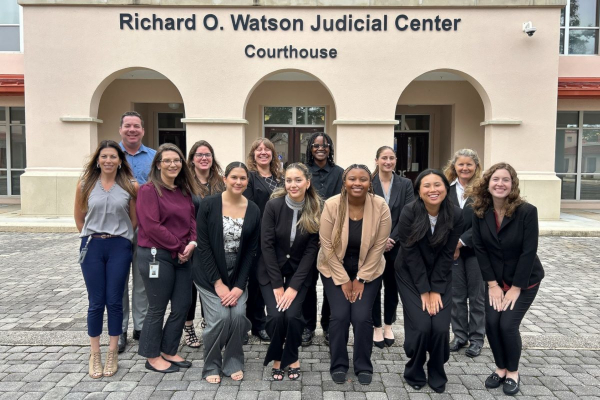
Job Shadowing and Career Exploration
These experiences can help you learn how legal careers differ across settings and identify the environments, issues, and types of work that are most interesting to you.
Opportunities may include:
- Job shadowing attorneys or other professionals
- Observing court proceedings
- Participating in informational interviews
- Attending law firm or agency visits
- Connecting with alumni and legal professionals
- Participating in virtual career simulations
- Exploring different legal practice areas
Visit FL Supreme Court | FSU Shadow Program | Forage – Virtual Experience Programs
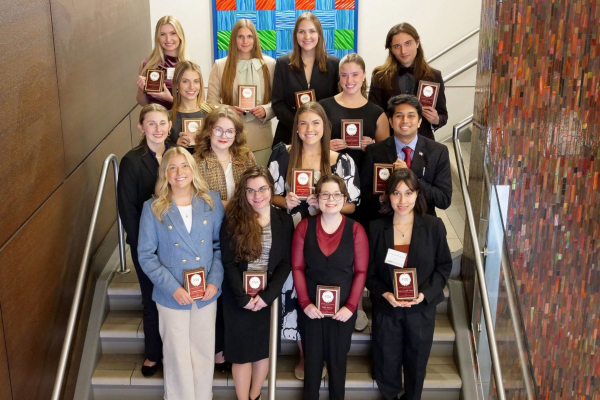
Volunteerism and Service
Law schools value students who can demonstrate meaningful engagement, personal growth, leadership, and an understanding of the communities around them. Choose service opportunities because the work matters to you, not simply because you believe an activity will strengthen a law school application. Students may consider opportunities involving:
- Community service
- Civic engagement
- Legal aid and access to justice
- Youth mentoring
- Advocacy
- Community education
- Public policy
- Nonprofit organizations
- Service related to issues or populations they care about
FSU Academic Honor Policy Hearing Volunteers | FSU Center for the Advancement of Human Rights | Florida Guardian Ad Litem Volunteers